Ductless Mini-Split AC: Comprehensive Guide to Benefits, Installation, and Comparison
Why Your System Deserves Better Than Another Patch Job
Ductless mini-split AC systems have grown in popularity among homeowners seeking efficient, flexible cooling solutions. They combine comfort and energy efficiency and are suitable for a range of residential spaces. This guide examines primary benefits, the role of zoned cooling in energy performance, and comparative advantages versus conventional central air systems. It also provides a concise installation overview and an analysis of factors affecting installation costs in Metro Detroit to help homeowners assess ductless mini-split suitability.
The increasing adoption of ductless mini-split systems signals a measurable shift away from conventional HVAC configurations.
Ductless Mini-Split Popularity & Conventional System Comparison
Conventional ducted HVAC systems remain the predominant configuration, while ductless mini-split heat pump systems are gaining market share.
A review of ductless mini split HVAC system, N Fumo, 2022
What Are the Key Benefits of Ductless Mini-Split AC Systems?
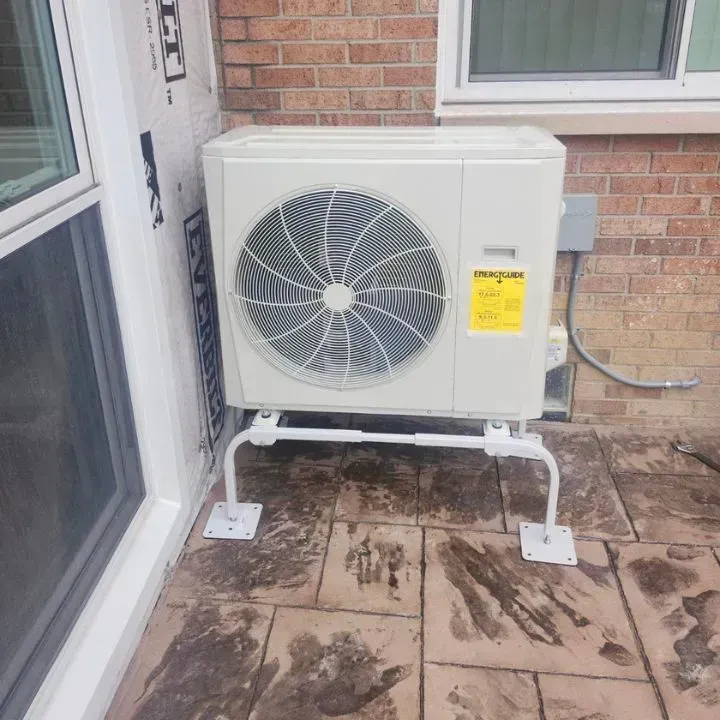
Ductless mini-split AC systems provide practical advantages for contemporary residences. They enable installation where ductwork is absent, allowing indoor units to be placed in diverse locations. These systems effectively condition areas that are difficult to serve with centralized ducting, maintaining consistent thermal comfort. Indoor units typically operate with low acoustic output, minimizing in-home noise.
OnPoint HVAC provides installation and maintenance services for ductless mini-split AC systems, delivering technical expertise to optimize system performance. Homeowners in Metro Detroit can leverage the company’s regional experience for energy-efficient cooling solutions.
How Do Ductless Mini-Splits Enhance Energy Efficiency and Zoned Cooling?
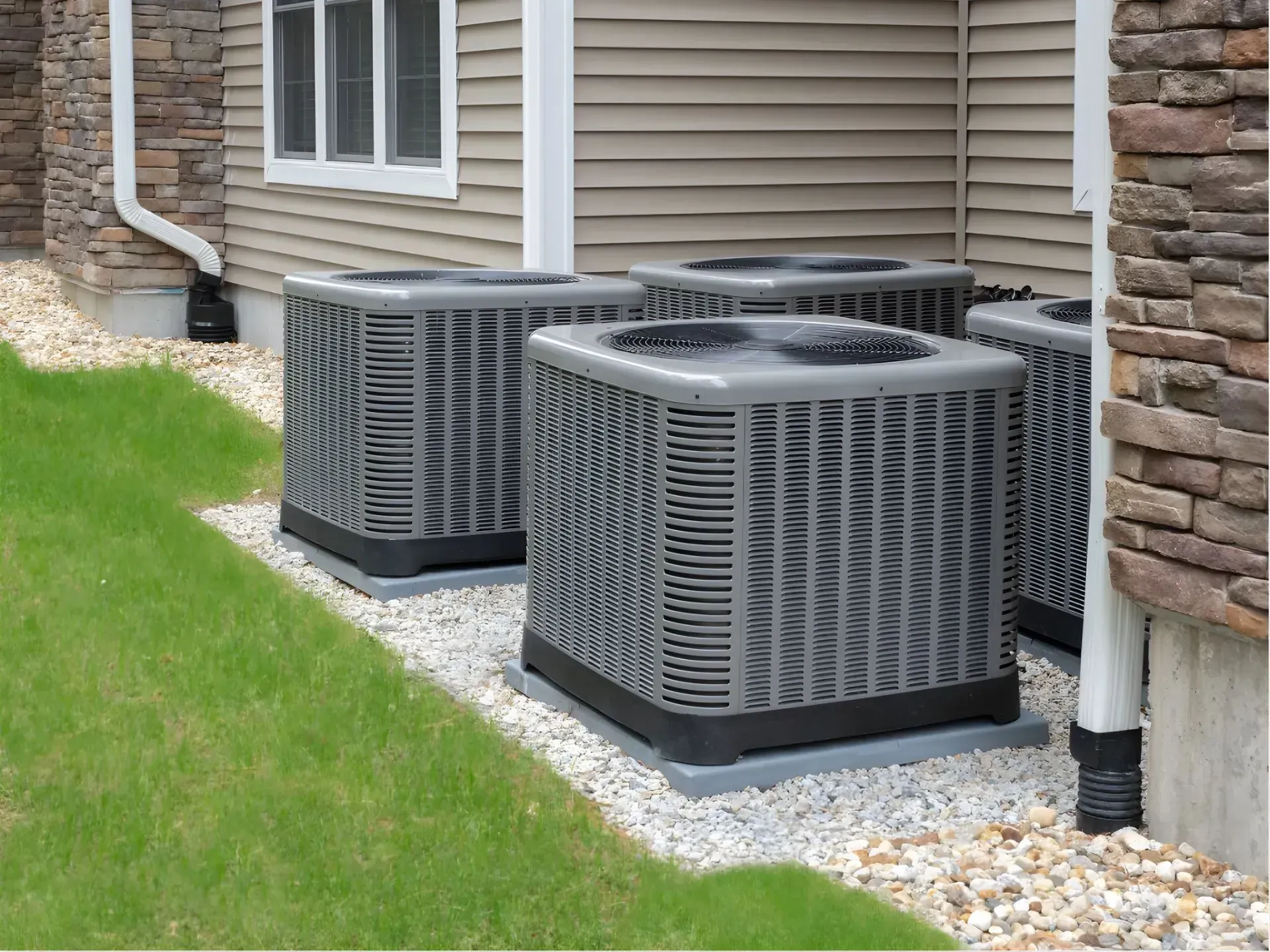
Ductless mini-split systems improve energy efficiency through zoned temperature control. Individual rooms or zones can be regulated independently, which reduces the conditioned volume and associated energy consumption. Targeted conditioning of occupied spaces typically lowers utility bills while maintaining occupant comfort.
Efficiency is further enhanced by inverter-driven compressors that modulate speed in response to load demand. This variable-capacity operation reduces cycling losses compared with fixed-speed compressors.
System effectiveness depends on proper configuration and alignment with occupant usage patterns and operational scenarios.
Ductless Mini-Split Performance & Occupant Comfort
DHP system performance is evaluated in conjunction with pre-operational scenarios that represent various occupant preferences during operation. Maximizing The Use Of Ductless Mini-split Systems In Residential Buildings With Existing HVAC Equipment In EnergyPlus., Z Pang, 2019
What Advantages Do Ductless Systems Offer Over Traditional Central Air?
Ductless mini-split systems offer installation flexibility. Unlike central air systems that require extensive ductwork, ductless installations typically involve less onsite labor and reduced structural modification, resulting in shorter project duration and lower disruption.
Additionally, ductless systems provide targeted cooling, enabling zone-specific temperature settings. This can improve indoor air quality by reducing recirculation of dust and allergens associated with ductwork.
How Is a Ductless Mini-Split AC Installed?
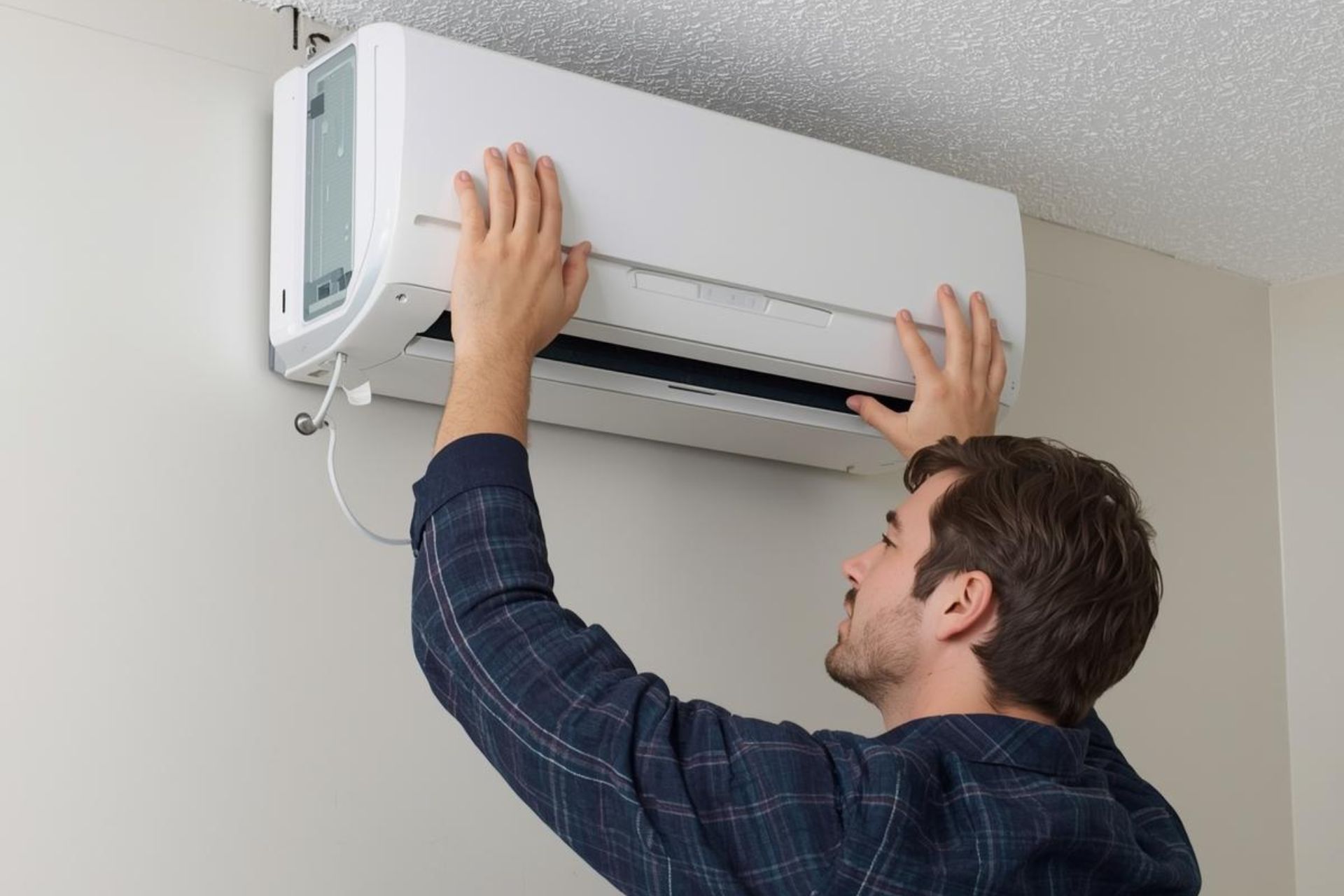
Installation begins with an in-home assessment to define cooling requirements, including a load calculation to verify correct system capacity.
After the assessment, a site-specific system design is developed and a detailed cost estimate is provided. Upon approval, technicians mount indoor and outdoor units, install refrigerant interconnects, and complete electrical wiring. Commissioning tests confirm system performance.
What Are the Step-by-Step Installation Requirements and Processes?
The typical installation sequence comprises the following procedural steps:
- Permit Application : Depending on local regulations, a permit may be required before installation can begin.
- Site Preparation : The installation area is prepared, ensuring that the indoor and outdoor units have adequate space and access.
- Unit Installation : The indoor unit is mounted on the wall, and the outdoor unit is placed in a suitable location.
- Refrigerant Line Connection : The refrigerant lines are connected between the indoor and outdoor units, ensuring a secure and leak-free installation.
- Electrical Connections : The necessary electrical connections are made to power the system.
- Testing
: The system is thoroughly tested to ensure it operates correctly and efficiently.
What Factors Influence Mini Split AC Installation Cost in Metro Detroit?
Multiple variables affect mini-split installation costs in Metro Detroit. Key considerations include the factors listed below:
| Factor | Description | Impact Level |
|---|---|---|
| Home Size | Larger homes may require multiple units, increasing costs. | High |
| System Type | Higher efficiency models typically cost more upfront. | Medium |
| Installation Complexity | Difficult installations may require additional labor and materials. | High |
Understanding these variables enables homeowners to develop accurate budget estimates for ductless mini-split installations.
Comparative techno-economic analyses of different AC system types may identify counterintuitive differences in initial capital requirements.
Ductless vs. Ducted Split AC Cost Comparison
The study reported a lower initial investment cost ($22,000.65) for the ducted system compared to the ductless mini-split system.
Comprehensive energy and techno-economic analysis of ductless and ducted split air-conditioning systems for a healthcare facility in an arid climate, AG Noori, 2026
Which Are the Best Ductless Mini-Split Brands for Homeowners?
Selection criteria should prioritize manufacturers with documented reliability and efficiency. Notable brands include:
- Mitsubishi Electric : Renowned for their advanced technology and energy-efficient models.
- Daikin : Offers a wide range of options with excellent performance ratings.
- LG : Known for stylish designs and innovative features.
Each manufacturer offers multiple models to address differing capacity, efficiency, and feature requirements.
What Criteria Determine the Top-Rated Ductless Mini-Split Models?
Model evaluations should consider the following technical criteria:
- Efficiency Ratings : Look for models with high SEER (Seasonal Energy Efficiency Ratio) ratings for optimal energy savings.
- Durability : Choose brands with a reputation for long-lasting performance and reliability.
- Technology Features : Consider models with smart technology for enhanced control and convenience.
Applying these criteria assists homeowners in selecting a system aligned with their performance and operational requirements.
How Do Brand Features Impact Performance and Reliability?
Manufacturer-specific features materially affect system performance and reliability. Components such as advanced compressors and high-efficiency heat exchangers contribute to improved energy performance and extended service life. Manufacturers that provide comprehensive warranty terms and accessible technical support reduce lifecycle risk for owners.
How Does a Ductless Mini-Split AC System Operate?
Ductless mini-split systems consist of separate indoor and outdoor modules. The indoor unit extracts heat from interior air into the refrigerant, which is then conveyed to the outdoor unit where heat is rejected to ambient air, resulting in cooling of the conditioned space.
This refrigeration cycle provides efficient temperature regulation without ductwork, making ductless systems suitable for retrofit applications and new construction where duct installation is impractical.
What Is the Functional Mechanism Behind Ductless Mini-Split Cooling?
The system operates on standard vapor-compression thermodynamic principles. Refrigerant circulates between indoor and outdoor heat exchangers, undergoing phase changes that enable heat transfer from indoor air to the outdoors.
Inverter-driven compressors modulate capacity in response to load, which reduces part-load energy consumption and improves thermal stability for occupants.
How Does This Technology Compare to Central Air Systems in Operation?
Central air systems distribute conditioned air via ductwork, which can introduce distribution losses and permit accumulation of particulates. Ductless architectures deliver conditioned air directly to zones, minimizing distribution losses and reducing pathways for contaminant recirculation.
For additional information on HVAC solutions, consult OnPoint HVAC .
Ductless systems also enable finer-grained temperature control, permitting occupants to configure conditions by zone according to use patterns and occupancy schedules.
For plumbing services, OnPoint HVAC provides comprehensive offerings.
For electrical service requirements, consider OnPoint HVAC's electrical service options.
For comprehensive home service solutions, OnPointHVAC provides regional service capabilities.
FREQUENTLY ASKED QUESTIONS
What maintenance is required for ductless mini-split AC systems?
Regular maintenance is essential for ductless mini-split AC systems to ensure optimal performance and longevity. Homeowners should clean or replace air filters every few months to maintain airflow and efficiency. Additionally, the outdoor unit should be kept free of debris, and the refrigerant levels should be checked annually by a professional. Scheduling a yearly maintenance service can help identify potential issues early and ensure that the system operates efficiently throughout the cooling season.
Can ductless mini-split systems be used for heating as well?
Yes, ductless mini-split systems can also provide heating, making them versatile for year-round climate control. Many models are equipped with heat pump technology, which allows them to reverse the refrigeration cycle to extract heat from the outside air and transfer it indoors. This feature is particularly beneficial in moderate climates, as it can efficiently heat spaces without the need for additional heating systems, providing both cooling and heating solutions in one unit.
How do I choose the right size ductless mini-split system for my home?
Choosing the right size ductless mini-split system is crucial for efficiency and comfort. The size is typically determined by the British Thermal Units (BTUs) required to cool or heat a space effectively. Factors such as room size, ceiling height, insulation quality, and sun exposure all play a role in this calculation. It’s advisable to consult with a professional HVAC technician who can perform a load calculation to recommend the appropriate system size for your specific needs.
Are ductless mini-split systems noisy during operation?
Ductless mini-split systems are generally quieter than traditional central air systems. The indoor units are designed to operate at low noise levels, often producing sound levels comparable to a whisper. This is due to their advanced technology and design, which minimizes operational noise. However, the outdoor unit may produce some noise, but it is typically not disruptive. Homeowners can enjoy a comfortable environment without the loud operation often associated with conventional HVAC systems.
What is the lifespan of a ductless mini-split AC system?
The average lifespan of a ductless mini-split AC system is around 15 to 20 years, depending on factors such as usage, maintenance, and installation quality. Regular maintenance, including cleaning filters and scheduling professional check-ups, can extend the system's life. Additionally, choosing a high-quality brand and model can also contribute to longevity. Homeowners should monitor performance and consider replacement if the system begins to show signs of inefficiency or frequent breakdowns.
Can I install a ductless mini-split system myself?
While some homeowners may consider a DIY installation for ductless mini-split systems, it is generally recommended to hire a professional. Proper installation is crucial for system efficiency and performance. Professionals have the expertise to ensure that the system is correctly sized, installed, and configured. Additionally, they can handle electrical connections and refrigerant handling, which require specific knowledge and tools to comply with safety regulations and manufacturer guidelines.
What are the energy savings associated with ductless mini-split systems?
Ductless mini-split systems can lead to significant energy savings compared to traditional HVAC systems. Their zoned cooling capabilities allow homeowners to condition only the spaces that are in use, reducing overall energy consumption. Additionally, the inverter technology used in many models adjusts the compressor speed based on demand, minimizing energy waste. Homeowners can expect to see lower utility bills, especially in homes where centralized systems are inefficient or where ductwork is not present.
AREAS WE SERVE
- BERKLEY
- BIRMINGHAM
- CANTON
- FARMINGTON
- FARMINGTON HILLS
- FERNDALE
- FRANKLIN
- LIVONIA
- NORTHVILLE
- NOVI
- PLYMOUTH
- REDFORD
- ROYAL OAK
- SOUTHFIELD